Bathroom Fittings Shop in Ahmedabad: Make Practical Choices for Plumbing and Everyday Use
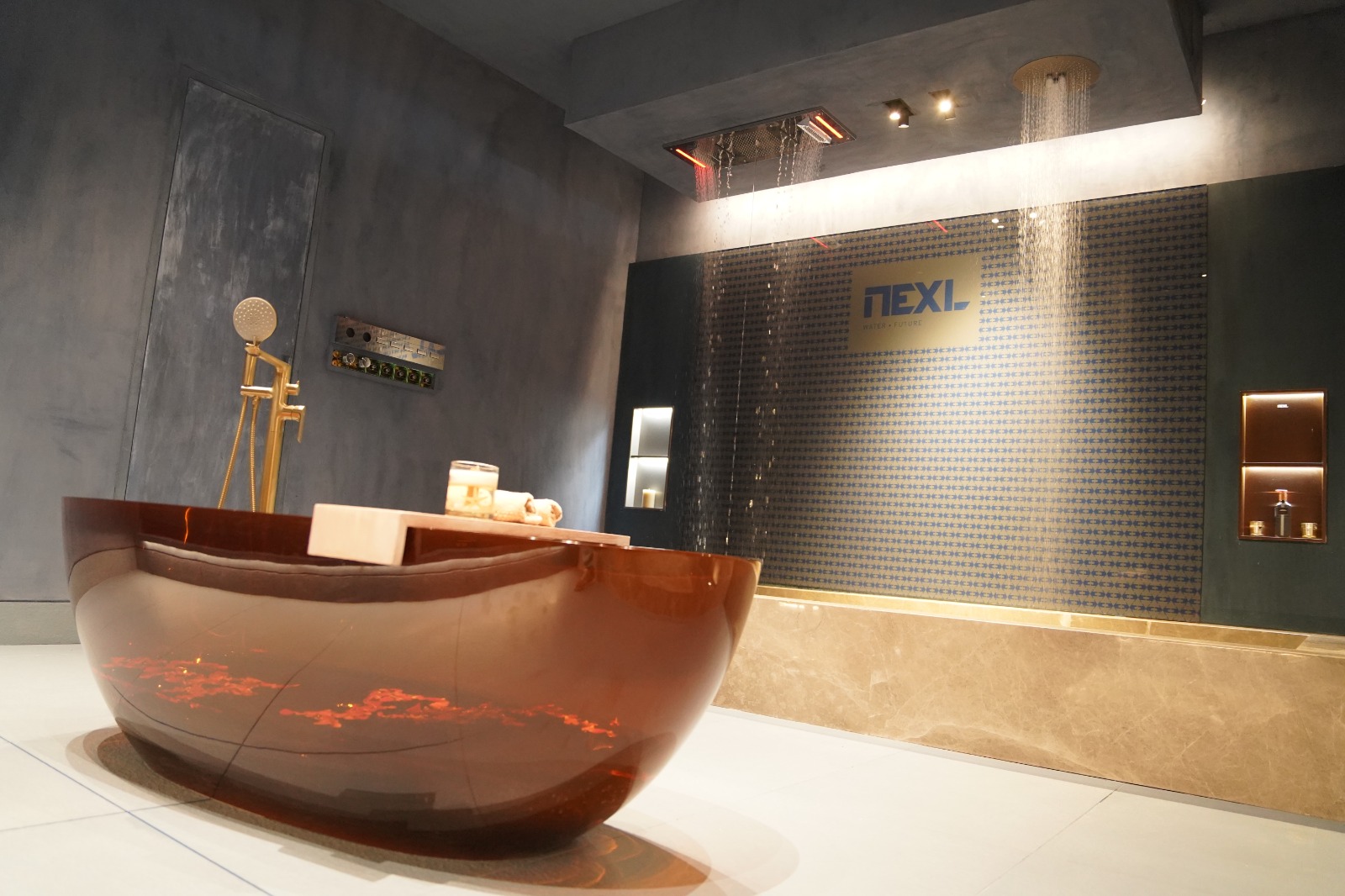
A bathroom can look beautifully coordinated in a showroom yet feel awkward once everything is installed at home. A poorly positioned basin tap can restrict washing space, shower controls may be difficult to reach, and a cabinet door might collide with the toilet. Such difficulties frequently arise when fittings are chosen separately without considering how they will function together. A successful purchasing process begins with understanding the available space, existing plumbing and everyday needs of the people using the bathroom.
Anyone considering a bathroom fittings shop in Ahmedabad can benefit from developing a practical plan before choosing products. Alongside attractive designs, buyers should consider product dimensions, water connections, cleaning requirements and repair access. Regardless of whether the project involves a few worn fittings or a full refurbishment, understanding how these factors connect supports more informed choices. The aim is to select fittings that remain comfortable and convenient long after the excitement of the new bathroom has faded.
Decide What the Bathroom Needs to Do Better
Rather than immediately browsing products, first establish what is not working well in the existing bathroom. Common frustrations include limited basin space during busy mornings, inconvenient temperature adjustments and poorly positioned towel storage. Selecting products with particular problems in mind creates a clearer purpose for each purchase. Focusing only on appearance can result in expensive changes while the bathroom's main practical problems remain.
Consider who regularly uses the bathroom and whether their requirements are different. In a shared household bathroom, simple operating controls, accessible cabinets and surfaces that wipe clean can be useful. For a limited guest bathroom, choosing fittings with modest dimensions may help maintain usable space. People with reduced hand strength may also find particular lever-style controls easier to use than small turning knobs. These observations form a practical set of requirements for comparing both the appearance and usefulness of different products.
Record the Space Before Comparing Products
Bathroom measurements should cover considerably more than the room's overall width and length. Record door positions and opening directions, window heights, plumbing outlets and any sections projecting from the walls. Pay particular attention to basin-side depth and the clearances needed near the toilet. A product that looks suitable in isolation might interfere with comfortable movement if its dimensions reduce essential clearance.
At a bathroom fittings shop in Ahmedabad, clear pictures and a basic measured layout can support more accurate discussions about potential purchases. Include details of the current washbasin, exposed plumbing and any locations where changes are proposed. Where pipes are concealed, ask the installer to establish the existing arrangement instead of assuming new fittings will be compatible. Final site measurements are particularly important for fitted furniture, glass enclosures and wall-mounted fixtures where there is little room to make changes.
Separate Simple Replacements from Plumbing Changes
Changing an exposed tap for a suitable alternative involves different work from installing a wall-mounted mixer in place of the existing fitting. Such a conversion can require plumbing adjustments, wall repairs and careful planning around the finished surface. A different toilet arrangement or concealed shower control can affect the underlying installation as well as the external appearance. Establishing the full installation scope early can stop an apparently straightforward upgrade from becoming a more extensive job than anticipated.
For a modest bathroom refresh, first establish which existing plumbing connections can be retained. For a complete refurbishment, agree on fixture locations before plumbing installation and wall finishing are completed. Concealed components must be compatible with their external controls, while installation depth needs to accommodate the completed wall surface. Confirm the complete installation arrangement before purchasing separate components. This becomes particularly important when combining different product collections or replacing only selected parts of an existing system.
Assess Basin and Tap Compatibility Before Purchasing
The washbasin and tap need to function as a coordinated pair, with their sizing influencing everyday washing comfort. The height of the spout, how far it projects and where water leaves the outlet each affect usability. Combining a tall tap with a shallow basin may increase splashing, whereas a short spout can restrict the space available for your hands. Everyday performance also depends on the point where the flowing water meets the inside of the basin.
Establish whether the basin uses an integrated tap hole, needs a separate opening in the countertop or requires a wall-mounted outlet. Installation can additionally depend on counter thickness and the room available for mounting components. Waste connections deserve attention because the basin's overflow design needs to work with the chosen waste fitting. If the washbasin sits on a storage unit, remember to allow room inside for the waste trap and plumbing. Plumbing inside a vanity unit may reduce the practical storage offered by an otherwise roomy drawer.
Match Your Shower Arrangement to the Available Water Supply
A bigger shower outlet is not automatically more satisfying in everyday use. Actual performance depends on the shower product's requirements and the water supply available in the property. Water pressure and flow rate are related, but they are separate factors that may both require assessment. An impressive showroom demonstration may not reflect how the fitting performs with your home's plumbing, particularly when several outlets run simultaneously.
Compatibility with your home's hot-water arrangement should be assessed before finalising shower fittings. Handheld showers, overhead shower heads and body outlets may demand different levels of supply performance. Confirm whether the proposed shower controls support the combinations of outlets you expect to operate. Temperature-regulating features have their own operating conditions and cannot be considered separately from the plumbing. A dependable shower setup supported by the existing plumbing is preferable to including more outlets without confirming their suitability.
Design the Shower Space for Comfortable Use and Maintenance
The shower area should provide adequate room for movement, convenient access to controls and straightforward cleaning. Think about the steps involved in entering the shower, changing position and accessing washing products. Protruding handles, badly positioned shelves or glass doors that open inward may create problems in a small enclosure. Outlet placement needs to complement both the shower entrance and the design intended to prevent water from escaping.
A handheld shower can assist with rinsing enclosure surfaces and accommodate different bathing habits, provided its hose and holder are positioned sensibly. Position storage shelves where toiletries are accessible without reducing comfortable movement. The enclosure should only be confirmed after the installer has considered wall alignment, final dimensions and drainage conditions. An enclosure cannot make up for incorrect floor gradients or unreliable waterproofing work. The appropriate time to resolve these matters is while the installation surfaces remain exposed.
Balance Bathroom Appearance with Everyday Cleaning Needs
The colour and texture of fittings shape the bathroom's overall appearance, yet the effort required to clean them is equally worth assessing. Different finishes reveal fingerprints, water deposits and cleaning residue differently, particularly across polished, textured and darker surfaces. The appearance of marks is further affected by the quality of the water, available light and regular cleaning habits. Every finish requires some care rather than remaining permanently free of marks.
While assessing finish samples, check the manufacturer's recommended cleaning methods and any limits on chemicals or abrasive equipment. The treatment suitable for surrounding tiles or ceramics may not be appropriate for coated fittings. Where the current bathroom regularly develops mineral marks, consider the water conditions when deciding on surface finishes. If possible, view the selected colours under comparable lighting before confirming your choices. Remember that brushed gold or matt black products from separate brands may not match exactly.
Plan Accessory Locations Around Daily Bathroom Routines
Bathroom accessories are frequently purchased after the larger fittings, although their placement can make a substantial difference to usability. Position towel rails where someone can easily reach a towel after using the shower or basin. Keep the soap dispenser convenient to use while preserving a tidy and usable basin area. Storage should suit the toiletries and household items people actually keep in the bathroom, including tall containers and cleaning products.
Decide where accessories will be fixed before drilling, especially where concealed plumbing or waterproofed shower walls may be affected. Depending on the location, additional support behind the surface or a particular fastening method could be necessary. If someone needs a support rail, choose a purpose-designed product and have the mounting arrangement suitably checked. Ordinary towel holders should never be assumed to provide the function of a dedicated support rail. Check the placement of cabinets and mirrors against existing taps, lighting positions and the movement of doors.
Use the Shop Visit to Resolve Uncertainty
Convenience may motivate someone to look for a bathroom fittings shop near me, yet choosing suitable products involves more than finding a nearby store. Use the time in the showroom to resolve practical uncertainties involving product sizes, controls and installation requirements. Take the recorded room dimensions and describe whether you intend to replace existing fixtures or rearrange their positions. This makes the discussion more focused than simply selecting products because they look attractive on display.
Use working or accessible displays to evaluate control movement, outlet dimensions and the edges and connections that may collect residue. Find out which parts are supplied with each fitting and which items have to be purchased separately. A shower's visible trim may, for example, depend on a hidden installation body that is not included in the same purchase. Check model identification and finish details directly, as photographs may not provide sufficient certainty. Having written product specifications Bathroom fittings shop in ahmedabad allows the installer to confirm whether the chosen fittings are suitable for the work.
Compare the Full Cost and Future Repair Needs
A realistic purchasing budget includes not just the visible fittings but also necessary accessories, installation materials and the associated work. The overall price can be affected by essential parts such as wastes, traps, concealed components, connectors and mounting materials. Extra work involving plumbing changes, surface restoration or shower glass installation can add to the project budget. For meaningful budget comparisons, consider the entire arrangement instead of focusing exclusively on the listed cost of an individual fitting.
Think about future maintenance requirements, especially for fixtures installed within walls. Find out how maintenance components can be reached and if matching replacement parts can be obtained. Examine warranty information to understand the conditions, exclusions and responsibilities associated with claims. Organise product codes and proof of purchase in one place for future reference. An attractive, matching arrangement has value, but practical access to maintenance may matter just as much over years of regular use.
Manage Bathroom Installation and Completion Checks
Check the availability of all required parts before setting the date for installation work. Delays involving concealed parts may affect plumbing progress, just as late delivery of a washbasin may affect work on the countertop. On delivery, check each item against the purchase details and inspect it for obvious damage before fitting. Check both the finish specifications and the compatibility of the parts received with the proposed installation.
Provide the installer with the manufacturer's instructions and resolve outstanding questions before walls are cut, holes are drilled or surfaces are closed. Concealed plumbing connections should undergo appropriate checks before they become inaccessible. At the end of the project, test the controls, inspect accessible plumbing connections, observe water drainage and confirm unobstructed door movement. Respect the recommended curing times for sealants and other materials before the newly fitted bathroom is put into service. Careful completion checks support the transition from a collection of fittings to a space ready for regular daily use.
Conclusion
Bathroom fitting decisions become clearer when plumbing conditions, usable space and normal household routines are considered together. Start with the issues you intend to resolve, check the room dimensions and assess full fitting combinations. While assessing a bathroom fittings shop in Ahmedabad, use the opportunity to understand product compatibility, upkeep and installation details as well as appearance. Carefully coordinated taps, shower fittings, sanitaryware and accessories can improve everyday comfort while simplifying cleaning and maintenance.